
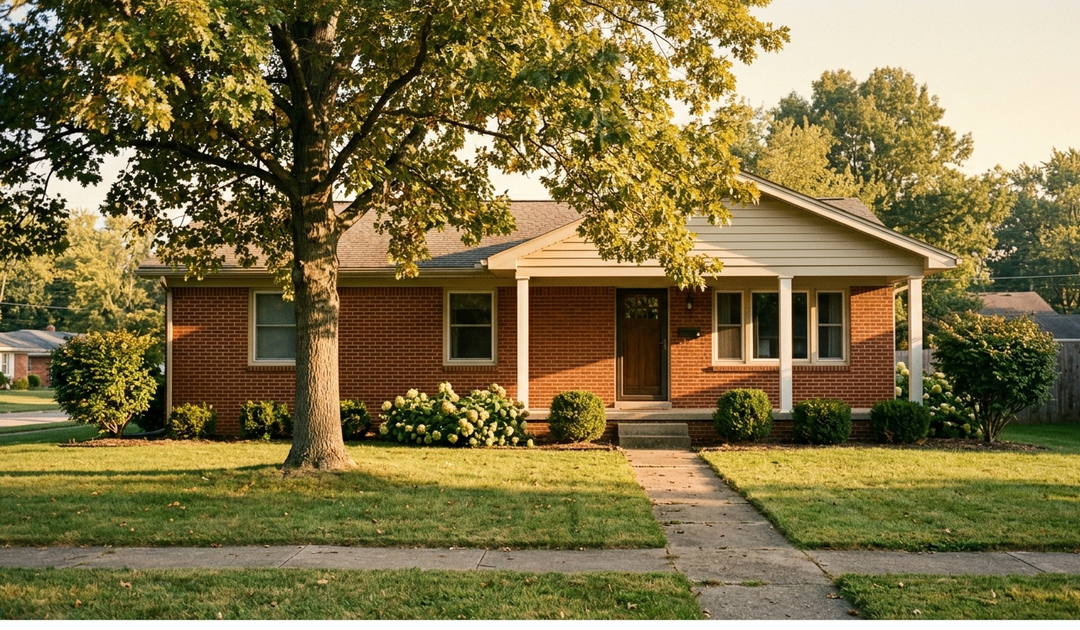
USDA loans give Indiana buyers a genuine zero-down path in rural and semi-rural counties just outside Hamilton County’s price range. For buyers priced out of Fishers and Carmel, Madison and Henry counties offer lower purchase prices. They also offer a loan product that eliminates the need for a down payment.
When priced-out buyers come into my office, the conversation rarely ends up where they expect. Hamilton County remains one of Indiana’s most competitive markets, and the prices reflect that. But being priced out of one county doesn’t mean being priced out of homeownership. For buyers willing to look a few miles north, USDA loans turn what feels like a dead end into a clear path forward.
Tevis Durbin (NMLS #424899) | Producing Branch Manager, Supreme Lending | 26+ years mortgage experience | MBA in Finance, B.A. in Economics | Certified Mortgage Advisor (CMA) | State Board Member, Mortgage Bankers of Indiana | Communication Chair, Hamilton County division of MIBOR | 97.75% 5-star customer rating
Why Hamilton County Buyers Are Looking North
Madison and Henry counties sit just north of Hamilton County. They are drawing serious attention from buyers watching Fishers and Noblesville prices climb out of reach. These are smaller, slower-paced communities with lower price points.
It isn’t a compromise, just a different market. A three-bedroom home listed at $375,000 in Fishers carries a premium price tag. However, a house with comparable square footage and character might sell for only $260,000 or $270,000 in Madison County.
The price difference alone is enough to get buyers interested. But the financing dimension is what actually changes the math.
Madison County, Henry County, and communities like them fall into USDA geographic eligibility boundaries. Buyers purchasing in those areas can access a loan product that most people have never heard of.
What a USDA Loan Does for Buyers
A USDA loan is a zero-down mortgage backed by the U.S. Department of Agriculture. It’s designed for buyers purchasing in eligible rural and semi-rural areas, not limited to farms or agricultural land.
Smaller Indiana communities qualify regularly. The loan functions like any standard residential mortgage, just without the down payment.
After VA loans for eligible veterans and service members, the USDA loan is the strongest no-money-down product available to many buyers:
- Competitive interest rates
- Manageable mortgage insurance structure
- Straightforward qualification for buyers with stable income and clean credit
For buyers working through FHA math, 3.5% down on a $270,000 purchase is about $9,450 before closing costs. USDA reframes the entire conversation. The savings timeline collapses, and the path to the closing date shortens.
The CFPB’s guide to loan types offers a neutral breakdown of how USDA loans compare with other low-down-payment options. This resource is well worth reading before you begin comparing specific numbers with a lender.
How Financing Shifts in USDA Territory
Moving from a Hamilton County purchase into USDA-eligible territory doesn’t just change geography. It changes the structure of every financing conversation that follows.
With conventional or FHA purchases in Hamilton County, the focus is on down payment sourcing, PMI, and price ceilings. With the USDA, those topics largely fall away. What comes to the front instead is property eligibility and household income limits.
USDA income limits are set by household size and county. They apply to the total household income, not just the borrowers on the loan. In many rural counties in Indiana, the limits comfortably fit working professionals and moderate dual-income households.
The property itself must fall within USDA Rural Development-designated eligible boundaries, which are address-specific and not county-wide. Confirming eligibility before a buyer falls in love with a property is the right first step.
Both gates are straightforward to clear. Neither requires guesswork. With the right lender walking you through it, the process is less complicated than most buyers expect.
Tevis has spent over 26 years guiding Indiana buyers through mortgage decisions that don’t fit the standard template. What he hears consistently from buyers who land on USDA is that no one told them this option existed.
“These rural counties are not only offering lower price points for entry. They also have an opportunity to take advantage of a USDA loan. That’s what we’re seeing happening. That’s where most people are starting to trend to, north of Hamilton County.” – Tevis Durbin, Producing Branch Manager (NMLS #424899)
The Numbers Behind USDA Financing
Rural affordability, combined with USDA zero-down financing, creates advantages that only become apparent when you compare the numbers side by side.
A buyer priced out of a $375,000 home in Fishers finds a comparable property in Madison County at $265,000. On a conventional loan in Hamilton County, the minimum down payment runs between $9,500 and $13,000. Closing costs can add another $6,000 to $8,000 to the cash requirement at closing.
On a USDA loan in an eligible Madison County location, the down payment is zero. Seller-paid closing costs are also common in these markets. Buyers can frequently reach the closing table with very little out of pocket.
If you’ve been planning around Hamilton County prices, it’s worth a conversation before assuming you need more time. Connect the Durbin Team to run your real numbers.
What to Know Before Touring USDA Properties
A few practical points worth knowing before you schedule your first showing in a USDA-eligible county.
Property eligibility is address-specific. Not every home in Madison or Henry County falls within USDA boundaries. The maps are more detailed than most buyers realize. Confirming eligibility before writing an offer or getting attached is the smart move.
Income limits apply to your full household, not just the borrowers on the application. A partner’s income, a roommate’s income, and anyone living in the home count toward the household total. In most rural counties in Indiana, those limits comfortably accommodate moderate-income households. Still, it’s worth verifying your situation before assuming you qualify.
USDA loans require an extra Rural Development approval step, which can slightly extend the timeline compared to conventional purchases. Working with a lender who has processed these files before keeps that timeline tight. Most well-prepared USDA purchases close within a standard 30 to 45-day window.
None of this is complicated. It just requires the right preparation and someone who knows the process. If you want to see how USDA loans fit alongside other options, our post about Indiana’s down payment assistance programs is worth reviewing. It provides the context you need to decide which path best fits your financial situation.
If zero-down is the goal but a property falls outside USDA territory, Indiana also has conventional no-down-payment programs worth exploring. These zero-down conventional options exist for buyers who don’t realize they qualify.
What Buyers Ask About USDA Loans
What are USDA loans, and who qualifies for them in Indiana?
A USDA loan is a government-backed mortgage from the U.S. Department of Agriculture for buyers in eligible rural and semi-rural areas. It offers zero-down financing and competitive interest rates. Buyers must meet income limits based on the county and household. The property must also fall within USDA Rural Development boundaries.
Do Madison and Henry counties in Indiana qualify for USDA financing?
Many areas within Madison and Henry counties fall within USDA-eligible boundaries. However, eligibility is address-specific rather than county-wide. Not every property in these counties qualifies. Confirming eligibility for a specific address before showings or an offer is a quick step for any experienced USDA lender.
How does USDA compare to FHA for an Indiana buyer with limited savings?
FHA requires a minimum down payment of 3.5%. On a $270,000 purchase, that’s roughly $9,450 before closing costs. USDA requires zero down for eligible properties and qualifying borrowers. USDA loans offer a faster, more accessible path to homeownership for buyers with stable income but limited savings. Running both scenarios side by side on your specific price point is the clearest way to compare.
Are there income limits on USDA loans, and how are they calculated?
USDA income limits apply to total household income, not just the income of borrowers listed on the loan. Limits vary by county and household size. In most Indiana rural counties, those thresholds accommodate working professionals and moderate-income households. Verifying your county and household composition with a lender before assuming eligibility is the right first step.
Can I use a USDA loan to buy a fixer-upper in Indiana?
USDA loans carry property condition requirements, and the home generally needs to be move-in ready to qualify. The program is not structured as a renovation financing tool. If a property requires significant repairs, FHA 203(k) financing or other renovation loan products may be worth exploring. A full overview of how 203k loans work for Indiana buyers covers that path in more detail.
What happens if a property I want falls just outside USDA eligibility boundaries?
When a property is outside USDA-eligible boundaries, other financing options may be available. FHA with 3.5% down, low-down conventional loans, and Indiana Housing assistance programs all vary based on credit, income, and savings. A full lender review ensures you’re not limited to one financing path when geography changes your options. Buyers drawn to rural properties with acreage or outbuildings may also want to review hobby farm loan options for rural Indiana properties, which follow different guidelines than standard residential financing.
How long does a USDA loan take to close compared to a conventional loan?
USDA loans require an additional review step through the USDA Rural Development office. This process can add a modest amount of time to the timeline compared to a standard conventional or FHA transaction. Working with a lender experienced in USDA files who prepares documentation correctly from the start minimizes that delay. Most well-prepared USDA purchases close within a standard 30 to 45-day window.
Is the interest rate on a USDA loan higher than a conventional rate?
USDA rates are generally competitive with conventional loans. It includes an upfront guarantee fee and an annual fee similar to mortgage insurance. However, eliminating the down payment often makes the overall cost more affordable than a low-down conventional loan with PMI. Comparing both scenarios side by side for your purchase price gives the clearest picture.
Find Out If USDA Financing Fits Your Situation
Being priced out of Fishers or Carmel doesn’t mean being priced out of homeownership. It means the zip code you’ve been watching isn’t the only zip code that works.
For buyers with stable income and credit, USDA financing in Madison or Henry County is a strong option for homeownership. This program can effectively close the gap between your current situation and a final closing date.
The path forward is a conversation, not a waiting period. Schedule a consultation with the Durbin Team to map out how USDA financing could impact your timeline.
Tevis Durbin is the founder of Supreme Lending. He holds a Certified Mortgage Advisor (CMA) designation and serves on the Mortgage Bankers of Indiana State Board. He also has an MBA in Finance and more than 26 years of mortgage experience helping Indiana buyers find the right financing fit.