
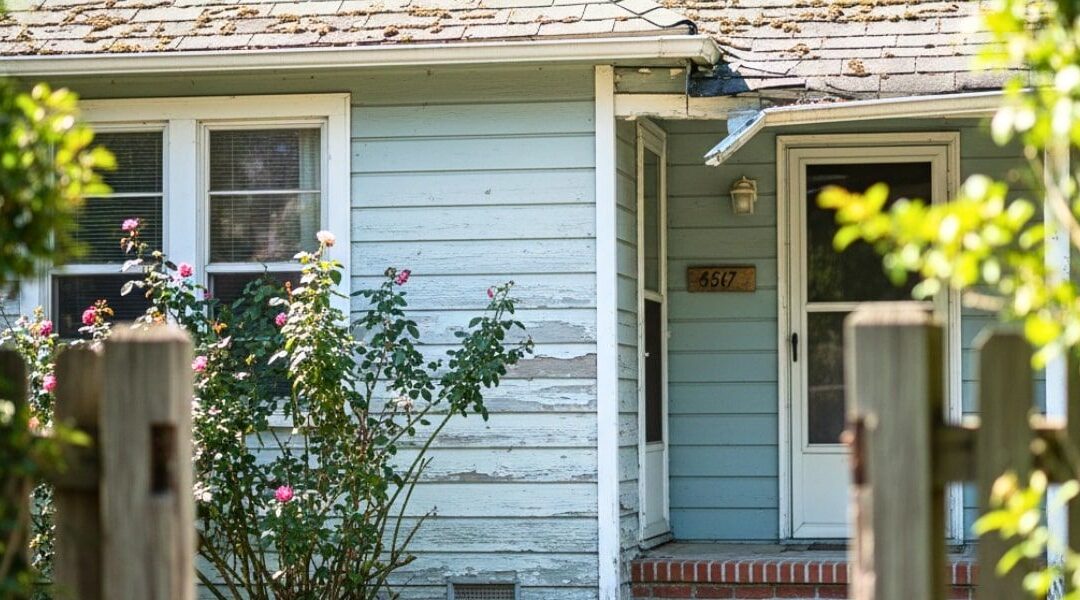
For many first-time buyers, the deal-breaker is not the home’s list price. It’s the repairs.
A house can look perfect online and feel right during the showing. But the inspection can uncover an aging roof, a failing HVAC system, or safety issues that demand attention. That affordable home suddenly feels out of reach, and the buyer walks away thinking they made the responsible choice.
Often, the issue isn’t the quality of the house or the scope of repairs. It’s the uncertainty surrounding funding these projects. That’s where FHA 203(k) loans can be a valuable solution.
Why Repairs Block Buyers First
Most buyers assume they must pay for repairs out of pocket, after closing, and all at once. That assumption kills otherwise solid deals.
First-time buyers rarely have an extra $10,000 to $30,000 sitting around after closing. Even buyers who stretch to make it work often end up putting repairs on credit cards or draining savings. Others delay fixes that really matter. That creates stress, regret, and financial pressure right when homeownership should feel stabilizing.
The Real Repair Problem
Repairs feel overwhelming because they appear as unexpected expenses rather than planned ones. Buyers see inspection reports as a stop sign rather than a planning document.
When repairs are not part of home financing, buyers absorb them emotionally and financially. They either walk away from good homes or move forward unprepared. Neither option feels good.
How a 203k Loan Solves Repair Challenges
A 203k loan allows buyers to purchase a home and finance certain repairs into the same mortgage.
Instead of paying cash after closing, the lender rolls approved repair costs into the loan. The buyer repays them over time through one closing and moves in right away. That provides the buyer with a clear plan for financing and completing the repairs.
This approach is not about stretching irresponsibly. It aligns financing with reality. Repairs are part of homeownership, and a 203k loan acknowledges that from the start.
How Financing Repairs Improves Affordability
When buyers finance repairs, they keep their reserves intact. Stress drops dramatically because there is no scramble to find cash six months after moving in. Financing turns homes that once felt too risky into viable options.
Long-term affordability improves when the lender spreads major expenses into predictable monthly payments. A $15,000 roof replacement feels very different when spread over time than when paid all at once.
You gain more flexibility and aren’t limited to homes that look perfect on paper. This option allows you to evaluate properties based on location, layout, and long-term potential, not just condition.
Taking One Buyer From Dealbeaker to Dream Home
A recent first-time buyer I worked with found a home they loved in a neighborhood that fit them perfectly. The price was right, but the inspection revealed an aging roof and an HVAC system near the end of its life. Together, the repairs totaled around $22,000.
Initially, they planned to walk away. They assumed the seller would not help and that they would need to pay for everything out of pocket. Instead, we paused and mapped out a different approach.
Using a 203k loan, they rolled those repairs into the mortgage. The monthly payment increased modestly. They avoided draining savings and eliminated the fear of major systems failing shortly after move-in. The buyer completed the repairs early, making the home safer and more stable from day one.
Inspections do not have to end the conversation. Sometimes they are the beginning of a smarter plan.
Repairs That Make Sense
203k loans focus on functional, necessary improvements. They work best for repairs that make a home safe, livable, and durable.
Common examples include roof replacement, HVAC systems, plumbing or electrical upgrades, and structural or safety repairs. These are not luxury upgrades. They are core systems that protect your investment and quality of life.
Understanding this helps you evaluate homes differently. A house with fixable issues is not automatically a bad idea. It may be an opportunity that others are afraid to explore.
Why Many Buyers Miss Out
Many buyers never hear about 203k loans because they require more planning and guidance. They are more work for lenders and do not fit a quick-close mindset.
Some professionals avoid them altogether. That does not mean they are bad. They demand intention and experience. Buyers who use them wisely often get better homes, less stress, and repairs appropriately handled from the start.
Rethinking Fixer-Upper Risks
A fixer-upper is only risky when buyers don’t plan repairs, costs are unclear, and they carry the burden alone.
With the right loan strategy, repairs become part of the purchase plan instead of an emotional surprise. You move from uncertainty to control.
203k Loan Questions Answered
What is a 203k loan in simple terms?
A 203k loan is an FHA-backed mortgage that allows you to buy a home and finance eligible repairs into one loan. You close once and pay for both overtime. It simplifies planning and reduces upfront cash needs.
Do 203k loans work for first-time buyers?
Yes. First-time buyers with a stable income but limited extra cash often benefit the most. By rolling repairs into the mortgage, these loans help preserve savings and reduce post-closing stress.
Are 203k loans only for major renovations?
No. 203k loans focus on essential repairs and improvements, not luxury upgrades. Typical uses include roofs, HVAC, plumbing, electrical work, and other safety-related updates.
Does a 203k loan increase my monthly payment?
It can, but usually not as much as expected. Spreading repair costs over time often results in a manageable increase compared to paying cash later.
Is the process more complicated than a standard loan?
It requires planning and guidance, but with the right team, it is very manageable. The key is understanding the process before making offers.
Can a 203k loan help me compete in a tight market?
Yes. It opens doors to homes other buyers overlook, giving you more options and less competition.
Turn Repair Challenges into Smart Solutions
When inspections reveal big-ticket repairs, the right move is not panic. It is asking better questions about financing and structure.
At Supreme Lending Indiana, we guide buyers from understanding 203k loans to structuring repairs into a manageable plan. Our goal is to ensure affordability improves by helping buyers account for repair costs.
Let’s make a plan. You are closer than you think. Talk with the Durbin team today to see how your dream home and repairs can fit your budget with expert guidance.